
Understanding the Machinery Directive: Key Points and Essentials
The Machinery Directive is vital for ensuring the safety and compliance of machinery utilized throughout Europe. It is important for manufacturers, importers, and users to comprehend this directive in order to meet legal requirements and uphold high safety standards. This post simplifies the Machinery Directive into straightforward, practical steps to help you understand its main components and apply them successfully.

What is the Machinery Directive?
The Machinery Directive is a European Union regulation that sets essential health and safety requirements for machinery placed on the market or put into service within the EU. Its main goal is to ensure that machinery is safe for operators and other people who might be affected by its use. The directive applies to a wide range of equipment, from simple hand tools to complex industrial machines.
This directive requires manufacturers to design and build machinery that meets strict safety standards before it can be sold or used. It also outlines the responsibilities of manufacturers, importers, and distributors to ensure ongoing compliance.
How to Determine if Your Machinery Falls Under the Directive
To know if the Machinery Directive applies to your equipment, ask these questions:
Is the product considered machinery, a safety component, or an interchangeable part?
Is the machinery intended to be used within the European Economic Area (EEA)?
Does the equipment have moving parts or perform mechanical functions?
If the answer is yes to these, the directive likely applies. Some products, such as household appliances or vehicles, may fall under different regulations, so it’s important to check carefully.
Steps to Comply with the Machinery Directive
1. Identify Applicable Requirements
Start by reviewing the essential health and safety requirements listed in the directive. These cover areas such as:
Mechanical safety (e.g., guards, stability)
Electrical safety
Noise and vibration limits
Ergonomics and user interface
Maintenance and cleaning access
Manufacturers must ensure their machinery meets these requirements through design and testing.
2. Conduct a Risk Assessment
A thorough risk assessment is mandatory. This process involves:
Identifying potential hazards related to the machinery’s use
Estimating the severity and likelihood of harm
Implementing measures to eliminate or reduce risks
For example, if a machine has exposed moving parts, guards or emergency stop functions should be installed to protect users.
3. Prepare Technical Documentation
Manufacturers must compile detailed technical files that demonstrate compliance. This documentation typically includes:
Design and manufacturing drawings
Risk assessment reports
Test results and certificates
Instructions for safe use and maintenance
This file must be kept for at least 10 years and be available for inspection by authorities.
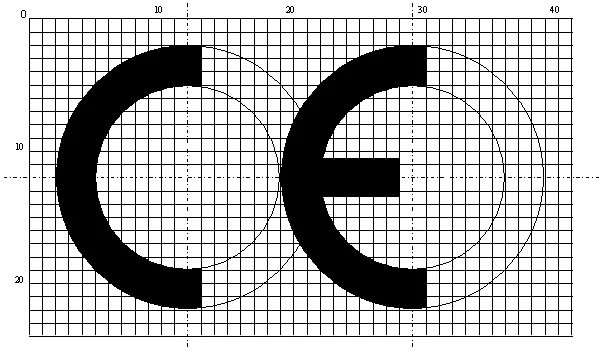
4. Affix the CE Marking
Once compliance is confirmed, the manufacturer places the CE marking on the machinery. This mark shows that the product meets all EU safety, health, and environmental protection requirements.
The CE mark must be visible, legible, and permanent. Alongside the mark, the manufacturer issues an EU Declaration of Conformity, a formal statement declaring compliance.
5. Provide Clear User Instructions
The directive requires manufacturers to supply comprehensive instructions. These should cover:
Installation procedures
Safe operation guidelines
Maintenance and cleaning instructions
Troubleshooting tips
Information on residual risks
Clear instructions help users operate machinery safely and reduce accidents.
Who is Responsible for Compliance?
Manufacturers must design, test, and certify machinery according to the directive.
Importers ensure that non-EU machinery meets the directive before entering the market.
Distributors verify that machinery carries the CE mark and is accompanied by the necessary documentation.
Each party plays a role in maintaining safety standards throughout the product’s lifecycle.
Common Challenges and How to Overcome Them
Understanding Complex Requirements
The directive covers many technical aspects that can be overwhelming. To manage this:
Consult experts or certification bodies early in the design phase.
Use checklists to track compliance steps.
Attend training sessions on machinery safety standards.
Keeping Documentation Updated
Technical files must reflect the latest design and safety information. Regularly review and update documents, especially after modifications or improvements.
Managing Risk Assessments
Risk assessments should be detailed and realistic. Engage cross-functional teams, including engineers and safety specialists, to identify all hazards.

Conclusion
Compliance should not be viewed as a one-time obligation, but as an ongoing commitment to safety throughout the machinery’s lifecycle. Clear documentation, regular updates, and well-prepared user instructions help ensure continued conformity and safe operation. By approaching the Machinery Directive proactively and systematically, organizations not only meet legal requirements but also build safer products, protect users, and strengthen trust in their machinery on the European market.


